Evaluating Digital Floral Photographic Images for Creative Projects
Digital floral photographic images represent a versatile category of visual assets designed for high-resolution reproduction and creative application. Unlike traditional stock photography or physical art prints, these files serve as foundational elements for personalized interior design, textile printing, and digital crafting. When evaluating specific collections, such as the set captured by BlueBelle Photography by Tina Lane, it is essential to understand the technical specifications and practical applications to determine if this format aligns with your project requirements. This assessment focuses on the utility, quality standards, and decision-making factors associated with acquiring a curated bundle of five high-resolution JPG files.
Understanding the Digital Asset Format
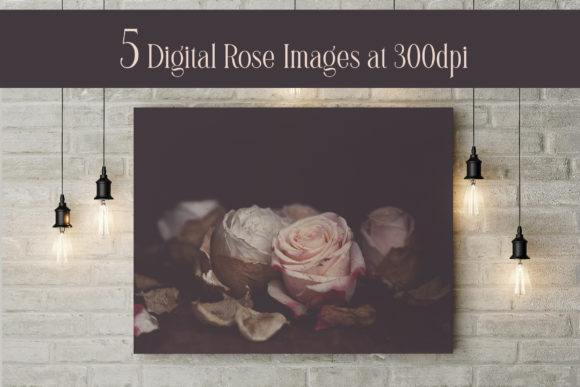
The core value proposition of digital floral photographic images lies in their flexibility. These are not physical products; there are no hard copies shipped. Instead, the purchaser receives five distinct digital JPG files. Understanding the technical parameters is critical for setting accurate expectations regarding print quality and usage.
- Resolution Standard: Each file is rendered at 300 dpi (dots per inch). This is the industry standard for professional-grade printing, ensuring that details remain crisp and color gradients appear smooth when transferred to physical media like paper, canvas, or fabric.
- Orientation and Dimensions: The collection typically includes a mix of aspect ratios to accommodate different layouts. For this specific set, four images are in landscape orientation (18 x 12 inches) and one is in portrait orientation (12 x 18 inches). This ratio variation allows for diverse applications, from wide wall hangings to vertical book covers or packaging designs.
- File Integrity: The files are delivered free of watermarks. This is a non-negotiable requirement for any commercial or personal end-product, as watermarks interfere with aesthetic integrity and professional presentation.
Primary Applications and Use Cases
Evaluating whether digital floral photographic images are suitable for your needs requires mapping the asset capabilities to specific end goals. The high resolution and watermark-free status enable three primary categories of use.
Interior Design and Wall Art
The most direct application for 300 dpi floral imagery is framed wall art. At 18 x 12 inches, these files can be printed at full size without upscaling artifacts. For larger displays, the high pixel density allows for moderate enlargement while maintaining acceptable sharpness, depending on viewing distance. Beyond framing, these images are frequently utilized in custom wallpaper murals or large-scale wall hangings where botanical themes are desired to soften architectural lines or introduce organic color palettes into a space.
Textile and Surface Pattern Design
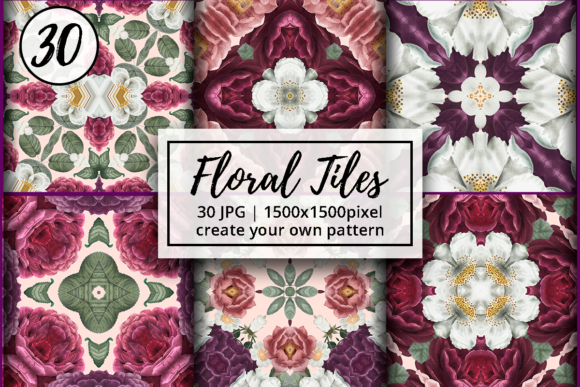
Fabric printing demands high-quality source material to prevent pixelation on textured surfaces. Digital floral photographic images are particularly well-suited for creating bespoke cushion covers, duvet covers, and tote bags. Because the files are digital, they can be tiled, mirrored, or isolated to create repeating patterns for textiles. This application transforms a single photograph into a cohesive design element across soft furnishings, offering a level of customization that pre-manufactured fabrics cannot provide.
Ephemera and Digital Crafting
Not all uses require maximum resolution. The same high-res files used for wall art can be downscaled for stationery and paper goods. Invitations, gift tags, scrapbooking elements, and stickers benefit from the intricate detail of professional floral photography. Having the original high-resolution master file ensures that even small-format prints retain edge definition and color accuracy, which is often lost when starting with low-resolution web images.
Benefits Versus Tradeoffs
Selecting digital downloads over physical prints or exclusive licensing involves distinct advantages and limitations. A balanced evaluation helps prevent post-purchase dissatisfaction.
Advantages of Digital Acquisition
Cost Efficiency: Acquiring five high-resolution images in a single bundle is generally more economical than purchasing individual physical prints or commissioning custom photography. This lowers the barrier to entry for high-quality decor.
Immediate Access and Iteration: Digital files eliminate shipping times and risk of transit damage. Users can test print colors on different substrates immediately, adjusting printer settings or paper types without waiting for replacements.
Creative Autonomy: Ownership of the raw JPG file grants the user control over cropping, color grading, and layout. If a specific portion of a landscape image works better as a square crop for an Instagram post or a coaster, the user has the freedom to adapt the asset without restriction.
Considerations and Limitations
Print Responsibility: The absence of a hard copy means the buyer assumes responsibility for color management and printing. Results will vary based on the printer, ink type, and substrate used. Achieving gallery-quality results may require professional printing services rather than home office equipment.
Licensing Scope: While personal use is typically unrestricted, users must verify licensing terms regarding commercial resale. Digital floral photographic images intended for personal decor may have different usage rights compared to those licensed for mass-produced merchandise.
Technical Skill Requirement: Maximizing the value of 300 dpi files requires basic digital literacy. Users should understand how to handle large file sizes, maintain aspect ratios during resizing, and select appropriate color profiles (RGB vs. CMYK) for their intended output.
Situational Fit: When to Choose Digital Florals
Digital floral photographic images are a strong fit for DIY enthusiasts, interior designers working on budget-conscious renovations, and crafters producing personalized gifts. They are ideal when the goal is to achieve a custom, high-end look without the premium price tag of bespoke art commissions. The specific inclusion of both landscape and portrait orientations in this collection suggests it is designed for users who need variety within a consistent aesthetic theme.
Conversely, alternatives may be worth considering in specific scenarios. If you lack access to quality printing facilities or prefer a guaranteed color match, purchasing physical art prints is safer. If you require vector graphics for infinite scalability on billboards or vehicle wraps, raster-based photographic JPGs may not suffice. Additionally, if you require exclusive rights to an image to prevent others from using the same visual, standard digital download bundles usually offer non-exclusive licenses, making commissioned work the necessary alternative.
Practical Decision-Making Insights
Before acquiring digital floral photographic images, assess your current workflow and resources. Verify that your intended print size falls within the optimal range for 18 x 12 or 12 x 18 dimensions. While software can upscale images, native resolution always yields superior texture and depth. Consider the lighting conditions of the space where the art will reside; floral photography often relies on natural light nuances that may appear differently under warm artificial lighting versus cool daylight.
Finally, evaluate the artistic style of the photographer. BlueBelle Photography by Tina Lane offers a specific aesthetic interpretation of florals. Ensure this style complements your existing decor or design vision. Digital assets are tools for realization, but the underlying artistic merit determines the emotional impact of the final product. By carefully weighing technical specs against creative goals, users can effectively leverage these digital resources to enhance their environments and projects with confidence.