Elevating Creative Projects with Vintage Herbarium Illustrations and Floral Digital Paper
The resurgence of botanical aesthetics in digital design has created a distinct demand for assets that bridge the gap between historical accuracy and modern usability. Designers, scrapbookers, and stationery creators are increasingly moving away from generic vector flowers toward more textured, authentic visuals. This shift places Herbarium Illustration and vintage-style graphics at the forefront of current trends. Whether you are designing a wedding invitation suite or creating digital planner stickers, the inclusion of scientifically accurate yet artistically rendered flora adds a layer of sophistication that standard clip art often lacks.
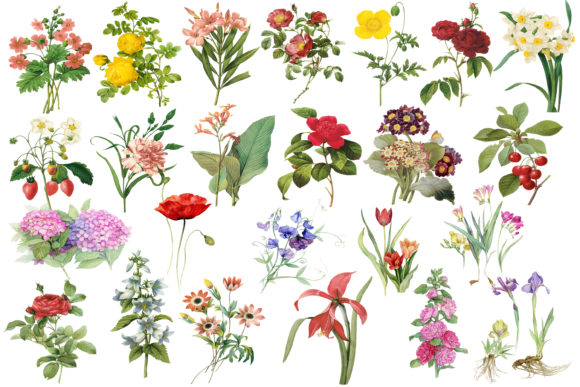
A curated collection featuring Meadow plants clipart, detailed Rose Clip Art, and versatile Floral Digital Paper serves as more than just decoration; it acts as a foundational element for storytelling in visual media. When selecting these assets, understanding the interplay between technical specifications and artistic application is essential for achieving professional results.
The Technical Foundation: Resolution and File Integrity
Before diving into aesthetic choices, the practical constraints of digital assets must be addressed. For any graphic project intended for print or high-resolution display, file quality is non-negotiable. A robust asset pack should consist of 24 high-quality 300 DPI PNG files. This specific resolution is the industry standard for commercial printing, ensuring that delicate lines in a Herbarium clip art piece do not appear pixelated when transferred to cardstock or linen paper.
The choice of PNG format over JPEG is deliberate and necessary for this type of work. Unlike JPEGs, which compress data and create artifacts around fine details, PNGs support lossless compression and transparency. This is particularly vital when working with Flower Clip Art or individual botanical specimens. The transparent background allows designers to layer meadow grasses behind text boxes or overlay vintage roses onto colored backgrounds without the unsightly white bounding boxes associated with older digital formats.
Furthermore, sizing matters significantly. Assets ranging between 7 and 8 inches provide a "sweet spot" for versatility. Files of this dimension are large enough to serve as focal points on an A5 greeting card or a scrapbook page, yet they remain manageable in terms of file size for digital workflows. This prevents software lag in programs like Procreate, Photoshop, or Canva while maintaining sufficient pixel density for cropping and resizing.
Integrating Meadow Plants and Herbarium Styles
The distinction between generic floral art and Herbarium Illustration lies in the intent and style. Herbarium references evoke the scientific study of dried plant specimens, characterized by precise line work, natural color palettes, and anatomical correctness. Incorporating Meadow plants clipart into your designs brings an organic, wild texture that contrasts beautifully with structured layouts.
In modern scrapbooking, these elements function as grounding agents. While a bold, stylized flower might draw the eye, it is the subtle foliage and meadow grasses that guide the viewer through the composition. Consider a layout documenting a summer hike; using scientifically styled meadow flora provides context and atmosphere that bright, cartoonish flowers cannot achieve. The vintage aesthetic inherent in these illustrations pairs exceptionally well with sepia-toned photographs, handwritten fonts, and textured paper overlays.
For card designers, Vintage Graphics offer a timeless appeal that transcends seasonal trends. A botanically accurate fern or wildflower arrangement suggests thoughtfulness and heritage. These elements work particularly well in negative space, allowing the sender’s message to take center stage while the borders remain adorned with intricate, nature-inspired details.
Versatility of Floral Digital Paper and Backgrounds
While individual clip art pieces serve as accents, Floral Digital Paper establishes the mood of the entire project. High-quality digital papers derived from herbarium sources differ from standard patterns because they retain the imperfections and nuances of hand-painted or lithographed originals. This texture is crucial for avoiding the "flat" look common in purely digital designs.
- Stationery Suites: Use seamless floral papers as envelope liners or backing for invitation cards to create a cohesive unboxing experience.
- Digital Planning: Apply muted vintage floral backgrounds to digital journal pages to reduce eye strain while maintaining aesthetic warmth.
- Product Packaging: Wrap soap, candles, or artisanal goods in custom-printed floral paper to communicate natural ingredients and craftsmanship.
- Social Media Branding: Utilize sections of high-DPI floral paper as consistent backdrops for quote cards or product photography flat lays.
When utilizing Flowers Illustration sets for backgrounds, consider the concept of visual hierarchy. Not every inch of the canvas needs to be filled. Effective use of floral digital paper often involves masking or fading edges to allow content to breathe. The best collections provide variety in density, offering both busy, all-over prints and sparse, airy compositions suitable for text-heavy projects.
Selecting the Right Rose Clip Art and Botanical Elements
Roses are perhaps the most ubiquitous motif in floral design, but they are also the most prone to cliché. To elevate your work, seek out Rose Clip Art that aligns with the herbarium or vintage aesthetic rather than hyper-saturated stock imagery. Look for illustrations that show the full lifecycle of the bloom, including buds, wilting petals, and rose hips. These realistic depictions add narrative depth and emotional resonance to romantic or memorial projects.
Color palette consistency is another critical factor. A cohesive collection of Flower Clipart should share a unified tonal range. Mixing neon vectors with muted watercolor herbarium scans creates visual discord. Authentic vintage graphics typically feature desaturated greens, dusty pinks, ochres, and slate blues. Adhering to this limited palette ensures that disparate elements—such as a meadow weed and a cultivated rose—look as though they belong in the same ecosystem and the same design.
Practical Workflow Considerations for Mixed Media
The true value of a 24-piece asset collection lies in its interoperability across different creative disciplines. Modern creators rarely work in a single medium. You might sketch a layout in a physical notebook, scan it, and then enhance it digitally using Herbarium clip art. Alternatively, you might design a digital template that is eventually printed on textured paper for physical assembly.
When working with 300 DPI PNGs in mixed media workflows, layer management becomes paramount. Group your Floral Digital Paper layers separately from your foreground Flower Clip Art. This organization allows for non-destructive editing, enabling you to adjust the opacity of the background pattern without affecting the crispness of the foreground botanicals. Additionally, utilizing blending modes such as "Multiply" or "Overlay" can help integrate digital flowers into scanned paper textures, making the composite image feel tactile and unified.
For those engaged in commercial design, verifying the licensing of Vintage Graphics is as important as checking the resolution. Ensure that the specific herbarium illustrations or meadow plant assets are cleared for your intended use, whether personal, limited commercial, or extended commercial. High-quality asset packs usually come with clear documentation regarding usage rights, protecting your final product from copyright complications.
Enhancing Narrative Through Botanical Accuracy
Beyond mere decoration, Flowers Illustration carries symbolic weight. In the Victorian language of flowers, specific blooms conveyed distinct messages. Using accurate Herbarium Illustration allows designers to tap into this historical subtext. Including lavender for devotion or ivy for fidelity adds an intellectual layer to wedding stationery or anniversary gifts that resonates with audiences who appreciate history and detail.
This narrative capability extends to educational and informational design as well. Textbooks, museum exhibits, and nature journals rely on Meadow plants clipart and herbarium styles to convey authority and trustworthiness. The precision of these illustrations signals to the viewer that the content is grounded in observation and fact. Even in less formal contexts, such as a gardening blog or a herbal tea label, the use of botanically correct art elevates the perceived value of the brand.
Ultimately, the decision to incorporate high-resolution, vintage-inspired floral assets is a commitment to quality. By choosing 300 DPI PNG files sized between 7 and 8 inches, creators equip themselves with tools that are as functional as they are beautiful. Whether layering Rose Clip Art for a romantic Valentine's card or tiling Floral Digital Paper for a website header, these elements provide the texture, depth, and historical connection necessary to make digital designs feel tangible and enduring.