Pattern with Red Floral Rose: Design & Usage Guide
A pattern with red floral rose is more than just a decorative motif; it is a versatile visual language that communicates passion, tradition, and elegance. Whether you are a graphic designer creating packaging, a sewist planning a garment, or a small business owner branding a boutique, understanding the nuances of this specific aesthetic is essential. The red rose carries significant cultural weight, symbolizing love and beauty, but when translated into a repeating pattern, it becomes a functional design element that can transform ordinary surfaces into something extraordinary.
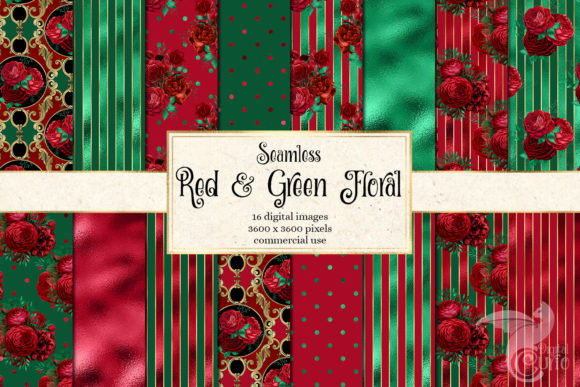
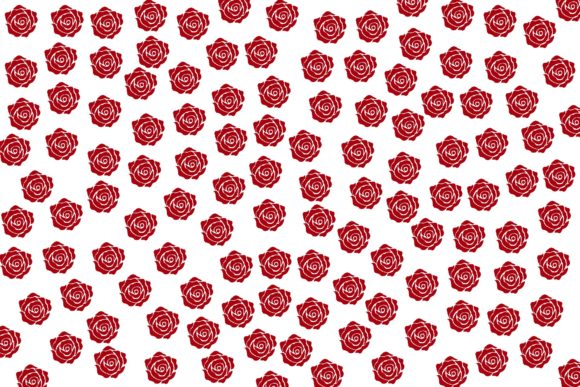
At its core, a pattern with red floral rose consists of stylized or realistic rose illustrations arranged in a seamless repeat. This arrangement allows the design to cover any surface area without visible breaks or awkward edges. The appeal lies in its duality: it can feel vintage and nostalgic when rendered in muted tones and tight layouts, or bold and contemporary when scaled up with high contrast and negative space. For creators and professionals, mastering this motif means learning how to balance the intensity of the color red with the organic complexity of floral forms to achieve a result that is visually striking without being overwhelming.
Why This Motif Resonates Across Industries
The enduring popularity of the red rose pattern stems from its immediate emotional recognition. In marketing and commercial contexts, consumers instantly associate this imagery with premium quality, romance, and natural beauty. This makes it an incredibly efficient shorthand for brands. A skincare line using a delicate, watercolor pattern with red floral rose signals gentleness and organic ingredients, while a luxury chocolate brand might use a dense, damask-style variation to convey richness and indulgence.
For independent creators and hobbyists, this pattern solves a common design challenge: how to add depth and interest without creating custom illustrations from scratch. Because the red rose is universally understood, it provides a safe yet impactful foundation for creative projects. It bridges the gap between amateur enthusiasm and professional polish. When used correctly, it elevates DIY projects, digital assets, and handmade goods, giving them a cohesive and intentional look that resonates with audiences who appreciate classic aesthetics.
Practical Applications for Creators and Businesses
The versatility of a pattern with red floral rose allows it to function across both digital and physical mediums. Understanding where to apply it can unlock new opportunities for your work or business.
- Textile and Fashion Design: This is perhaps the most traditional application. Dressmakers and quilters use these patterns to create garments and home textiles that range from cottage-core dresses to sophisticated upholstery. The scale of the rose dictates the use; large-scale blooms work best on curtains and duvet covers, while miniature repeats are ideal for blouses and accessories.
- Packaging and Print Collateral: Small business owners frequently utilize this motif for product packaging. A tissue paper printed with a subtle pattern with red floral rose adds an unboxing experience that feels luxurious without excessive cost. Similarly, wedding stationers rely on this design for invitations and menus to establish a romantic theme immediately.
- Digital Content and Web Design: Bloggers and social media managers use digital versions of this pattern as backgrounds for quotes, sale announcements, or website headers. In digital spaces, it is crucial to ensure the pattern does not interfere with text readability. Using a low-opacity overlay or placing text within solid-colored boxes over the pattern maintains accessibility while keeping the aesthetic warmth.
- Educational and Craft Resources: Educators and content creators often use these patterns in worksheets, certificates, and craft templates. The familiar imagery creates a welcoming and engaging environment for learners or crafters, making materials feel less sterile and more inviting.
Selecting the Right Style for Your Project
Not every pattern with red floral rose serves the same purpose. Before downloading a file or purchasing fabric, you must evaluate the specific characteristics of the design against your project goals. The wrong choice can make a design look dated or cluttered, while the right choice enhances the overall message.
Scale and Proportion are the first considerations. Ask yourself what the viewing distance will be. If the pattern is for a mobile phone wallpaper or a business card, intricate details may get lost, and a bold, simplified graphic rose is preferable. Conversely, if the pattern is for a large banner or wall art, a highly detailed, painterly rose will reward closer inspection and prevent the design from looking pixelated or flat.
Color Saturation and Background dramatically alter the mood. A bright crimson rose on a white background feels fresh, modern, and energetic. The same rose on a black background becomes dramatic, moody, and luxurious. Muted, dusty reds on cream evoke a vintage or shabby-chic vibe. Always test your chosen pattern in the actual lighting conditions or screen environment where it will be viewed. Colors shift significantly between RGB screens and CMYK print, so requesting a physical swatch or doing a test print is a non-negotiable step for professional results.
Technical Considerations for Seamless Results
For those designing or modifying their own pattern with red floral rose, technical execution is just as important as artistic style. A poorly constructed repeat will show obvious grid lines or mismatched elements, which instantly devalues the work.
- Check the Repeat Type: Determine if the pattern uses a basic block repeat, half-drop, or brick repeat. Half-drop and brick repeats generally look more organic and less mechanical for floral designs because they break up the visible grid structure.
- Mind the Negative Space: Beginners often focus entirely on the roses and forget the background. The space between the flowers is active design space. Ensure the foliage and background textures are balanced so the eye has places to rest. Too much density causes visual fatigue.
- Resolution Matters: For print applications, always source or create patterns at 300 DPI (dots per inch) at the actual print size. Web-only patterns can be 72 PPI, but using high-resolution files future-proofs your assets should you decide to print them later.
- Licensing and Usage Rights: This is critical for entrepreneurs and marketers. Just because a pattern with red floral rose is available online does not mean it is free for commercial use. Always verify the license. Personal use licenses do not cover products sold for profit. Investing in proper commercial licensing protects your business from legal issues and supports the original artists.
Avoiding Common Pitfalls
While this motif is beloved, it is also prone to cliché. To keep your work feeling fresh, avoid relying solely on generic stock assets without customization. Consider adjusting the hue, adding unique overlays, or mixing the floral pattern with unexpected geometric elements or typography. This hybrid approach retains the classic appeal of the red rose while signaling a distinct, modern brand identity.
Additionally, be mindful of cultural context. While generally positive, red roses have specific connotations. In some corporate or medical contexts, they may be too intimate or aggressive. Always consider your end audience. A pattern with red floral rose is perfect for a Valentine’s Day campaign but might be distracting for a financial report. Contextual awareness ensures your design choices support your objectives rather than undermining them.
Ultimately, working with this timeless motif is about intentionality. Whether you are stitching a quilt, coding a website, or printing product labels, treating the pattern with red floral rose as a strategic design tool rather than mere decoration will yield results that are both beautiful and effective. By respecting the technical requirements and understanding the emotional resonance of the design, you can harness the power of this classic aesthetic to create work that stands out in a crowded marketplace.