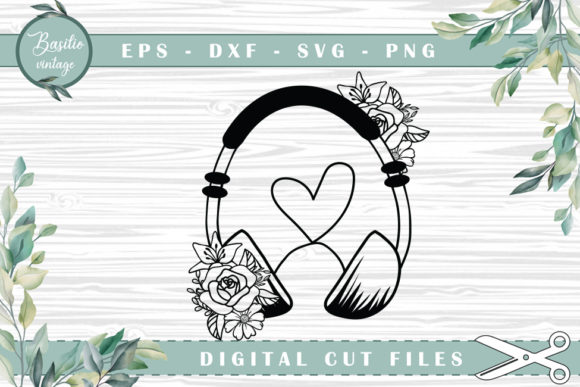
Headphone Floral Cutting Files for Creative Projects
Merging the structured geometry of audio equipment with the organic flow of botanical elements creates a unique visual tension that resonates with modern makers. Headphone floral cutting files offer this specific aesthetic intersection, providing a digital asset that speaks to music lovers, audiophiles, and nature enthusiasts simultaneously. Unlike generic floral patterns or standard tech icons, this hybrid design carries a narrative quality suitable for personalized merchandise, niche branding, and expressive DIY projects. For creators working with vinyl, fabric, or mixed media, these files serve as a versatile foundation that bridges subcultures and appeals to a demographic that values both technology and natural beauty.
Technical Specifications and File Management
Before initiating any creative project, understanding the technical parameters of your digital assets is essential for achieving professional results. When you acquire headphone floral cutting files, you are receiving a comprehensive suite of editable formats designed for cross-platform compatibility. The package includes SVG, PNG, DXF, and EPS files, ensuring that whether you use Cricut Design Space, Silhouette Studio, Sure Cuts A Lot, or Canvas, the design remains crisp and scalable.
The PNG files are rendered at 300 PPI, which is the industry standard for high-quality printing and detailed screen transfers. This resolution ensures that intricate petal details and headphone curves do not pixelate when resized. All files are delivered compressed in a Winzip archive to maintain integrity during download. It is critical to unzip the folder before attempting to import the designs into your cutting software; most programs cannot read files directly from a compressed state. Once extracted, the final product will be free of watermarks, providing a clean canvas for your specific application. However, users should note that while the source files are high quality, there is no guarantee on the output if the design is significantly altered, edited, or converted outside of recommended parameters. Maintaining the original aspect ratio and vector integrity is usually the safest path to preserving detail.
Vinyl Applications and Apparel Customization
The most immediate application for these cutting files is in the realm of heat transfer vinyl (HTV) and adhesive vinyl. The fusion of floral and mechanical elements makes this design particularly effective for streetwear and festival attire. Consider applying the design to the back of a denim jacket or the chest pocket of a canvas tote bag. The contrast between the rigid headphones and soft flowers mimics the duality of outdoor music festivals, making it a culturally relevant motif for event merchandise or personal concert gear.
For small business owners and Etsy sellers, this design offers an opportunity to target niche markets. Instead of generic "music lover" gifts, you can create products specifically for botanists who love podcasts, gardeners who listen to audiobooks, or lo-fi beat makers who appreciate cottagecore aesthetics. When cutting vinyl, pay close attention to the weeding process. Floral designs integrated with hardware often have small interior negative spaces. Using a fine-point weeding tool and working under adequate lighting will prevent tearing delicate petals or distorting the headphone band. Testing your cut settings on a scrap piece of vinyl is always recommended, especially when layering multiple colors to distinguish the floral elements from the tech components.
Glass Etching and Hard Surface Decoration
Beyond textiles, headphone floral cutting files translate exceptionally well to glass etching and hard surface customization. The line work typically associated with these designs acts as an ideal stencil for etching cream. This application is perfect for creating custom drinkware, window panes for studio doors, or decorative glass panels for home offices. The design’s balance of positive and negative space allows light to interact with the etched surface dynamically, creating shadows and highlights that change throughout the day.
When adapting this file for glass, consider the scale and placement. A large, centered composition works well on a pane of glass or a mirror, serving as a focal point in a room. Conversely, a smaller, repeated pattern might be more appropriate for tumblers or mason jars. Because glass is non-porous, precision is paramount. Ensure your vinyl stencil is burnished thoroughly to prevent etching cream from bleeding under the edges. The result is a permanent, dishwasher-safe decoration that elevates functional objects into personalized art pieces. This approach is particularly valuable for educators or studio owners looking to brand their physical space with a cohesive, professional yet creative identity.
Embroidery Conversion and Textile Arts
While primarily designed as cut files, the vector nature of SVG and EPS formats allows for conversion into embroidery digitizing files. This opens up a different dimension of texture and permanence. Converting headphone floral cutting files for machine embroidery requires careful planning. The original cut file defines the outline, but the embroiderer must decide on stitch types, density, and pull compensation. The floral sections may benefit from satin stitches or fill stitches to create a soft, raised texture, while the headphone components could utilize running stitches or heavier topstitching to mimic industrial manufacturing.
This adaptation is ideal for creators who want to move beyond vinyl limitations. Embroidered patches, hat fronts, and quilt blocks offer a tactile quality that vinyl cannot replicate. For freelancers and designers, offering an embroidered version of this design adds value to your service portfolio. It demonstrates versatility and an understanding of how digital assets can traverse different manufacturing methods. Keep in mind that converting a cut file to embroidery is not automatic; it requires manual digitizing to ensure the machine follows a logical path and the design remains stable on fabric. Always run a test stitch-out on the intended fabric weight to adjust tension and stabilizer choices before committing to a final product.
Strategic Adaptation for Diverse Audiences
The true utility of headphone floral cutting files lies in their adaptability across different contexts and audiences. A marketer promoting a wellness app might use the design to symbolize "mindful listening," pairing the image with calming color palettes like sage green and muted terracotta. In contrast, a content creator focusing on tech reviews might use a high-contrast neon and black color scheme to emphasize the modernity of the gear while softening the overall aesthetic with the floral motif.
- Educators and Coaches: Use the design on presentation slides or workbook covers to represent active listening and growth mindset, blending technical skill with organic development.
- Event Planners: Incorporate the motif into signage and badges for conferences that bridge technology and sustainability, signaling a forward-thinking yet grounded atmosphere.
- Hobbyists and Makers: Experiment with material contrasts, such as glitter vinyl for the flowers and matte black for the headphones, to add depth without altering the digital file itself.
- Publishers and Bloggers: Utilize the high-resolution PNG as a featured image or section divider in articles discussing audio culture, mental health, or creative hobbies.
Consistency in application builds recognition. If you are using these files for a brand or a series of products, establish a color palette and sizing standard early. While the files are editable, drastic alterations can compromise the design's integrity. Instead of reshaping the vectors, focus on contextual adaptation through color, material choice, and placement. This respects the original artwork while allowing your unique voice to emerge. By treating headphone floral cutting files as a flexible component rather than a static image, you unlock a sustainable workflow that supports varied projects without sacrificing quality or coherence. Whether you are ironing onto clothing, etching glass, or digitizing for embroidery, the key is intentional execution that honors both the digital source and the physical medium.