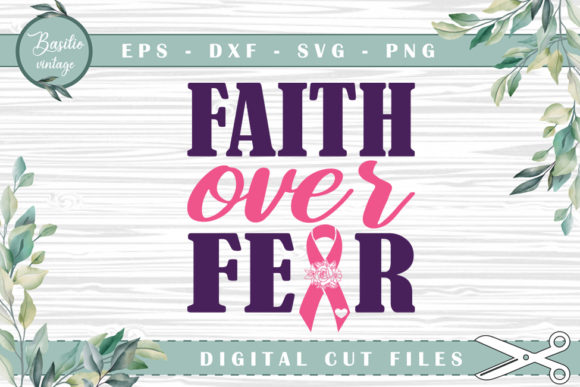
Faith Over Fear Ribbon Floral: A Practical Guide to Using Digital Cut Files Successfully
The intersection of meaningful messaging and elegant design is where the Faith over Fear Ribbon Floral collection truly shines. For crafters, small business owners, and DIY enthusiasts, this specific aesthetic combines a powerful spiritual affirmation with the timeless beauty of ribbon-style florals. It is a versatile motif that resonates deeply with audiences looking for encouragement, making it a staple for apparel, home decor, and personalized gifts. However, possessing a beautiful concept is only half the battle; the technical execution determines whether your final product looks professional or amateur.
Many creators rush into cutting or printing without fully understanding the digital assets they have purchased. This oversight often leads to wasted materials, frustrated software sessions, and subpar results. To get the most out of your faith over fear ribbon floral designs, you must approach the file management and application process with intention. Understanding the technical specifications and common pitfalls will save you time and ensure your creative vision translates perfectly from screen to physical medium.
Understanding File Formats and Resolution Standards
One of the most frequent mistakes beginners make is assuming all digital files are interchangeable. When you acquire high-quality digital illustrations, you typically receive a compressed Winzip folder containing multiple formats: SVG, PNG, DXF, and EPS. Each serves a distinct purpose, and using the wrong one for your specific machine or project is a primary cause of failure.
- SVG (Scalable Vector Graphics): This is the gold standard for cutting machines like Cricut Design Space and Silhouette Studio. Because it is vector-based, it scales infinitely without losing quality. Use this for vinyl cuts, iron-ons, and paper crafts.
- PNG (Portable Network Graphics): These are raster images provided at 300 PPI (pixels per inch). They are essential for sublimation, direct-to-garment printing, or creating mockups. Do not attempt to cut a PNG directly unless you are using the trace feature, as the machine sees pixels rather than cut lines.
- DXF and EPS: These are specialized vector formats often required for older Silhouette models, Sure Cuts A Lot, CanvasWorkspace, or professional embroidery digitizing software.
A critical detail often overlooked is the resolution of the PNG files. Always verify that your faith over fear ribbon floral PNG is indeed 300 PPI before sending it to a printer. Low-resolution files result in pixelated, blurry prints that ruin expensive blanks. If you plan to enlarge the design significantly beyond its original dimensions, rely solely on the SVG or EPS vectors to maintain crisp edges.
The Unzipping Protocol and Software Compatibility
It sounds elementary, yet countless support tickets arise because users attempt to open files directly from the zipped folder. Your digital downloads are compressed in Winzip for secure transfer. You must unzip the entire folder to your computer’s hard drive before importing any files into your cutting or design software. Trying to drag a file from a zipped preview window into Cricut Design Space or Silhouette Studio often results in upload errors, missing layers, or corrupted data.
Furthermore, compatibility varies between software versions. While SVG is universally accepted by modern platforms, some users operating legacy versions of Silhouette Studio may find that SVGs do not import correctly. In these instances, the included DXF file is your solution. Before purchasing or downloading, check your software version. If you are using the free basic edition of Silhouette Studio, you likely need the DXF format, whereas the Designer Edition supports SVG natively. Knowing this distinction prevents the frustration of thinking a file is broken when it is simply a format mismatch.
Navigating Alterations and Quality Guarantees
Customization is the heart of crafting, but it comes with technical caveats. You may wish to resize, recolor, or combine elements of the faith over fear ribbon floral design to fit a specific glass pane or t-shirt placement. While editable files offer this freedom, you must understand the limits of modification.
There is generally no guarantee regarding the quality of designs once they have been altered, edited, or converted. For example, converting a complex SVG to an embroidery DST file requires specialized digitizing knowledge. Simply changing the file extension does not create stitch paths; it merely renames the file. Similarly, if you manipulate vector nodes incorrectly in Illustrator or Inkscape, you may create open paths that your cutting machine cannot interpret, leading to jagged cuts or incomplete weeding lines.
To avoid compromising the integrity of the design:
- Always work on a copy: Never edit your master source file. Save a duplicate specifically for modifications so you can always revert to the pristine original.
- Test before committing: If you have altered the size or complexity of the floral ribbon, perform a test cut on scrap vinyl or paper. This verifies that the blade pressure and speed settings still align with the modified geometry.
- Respect aspect ratios: Stretching a floral design disproportionately distorts the delicate ribbon details. Lock the aspect ratio when resizing to maintain the artist's intended proportions.
Application Considerations for Various Mediums
The versatility of the faith over fear ribbon floral collection allows for diverse applications, but each medium demands specific preparation. Cutting for a glass pane requires different considerations than ironing onto clothing. Glass decals typically require mirrored cutting if applying to the inside of a window for outward visibility, whereas HTV (Heat Transfer Vinyl) for apparel always requires mirroring regardless of the design orientation.
For those intending to convert these designs for embroidery, recognize that "convert" implies a translation process, not a simple export. Floral ribbons contain flowing curves that translate beautifully to satin stitches, but only if digitized correctly. Using an auto-digitize feature on a complex floral SVG often yields poor stitch density and excessive jumps. It is advisable to use the vector file as a template within professional embroidery software to manually assign stitch types, ensuring the final embroidered patch retains the elegance of the original digital illustration.
Verifying Deliverables and Managing Expectations
Before you begin your project, take a moment to verify exactly what you have received. Product photos often display watermarks to protect intellectual property. Rest assured, your downloaded files will not contain these watermarks. However, this discrepancy sometimes confuses new buyers who believe they received the wrong file. The clean, watermark-free version is the correct deliverable.
Additionally, confirm that you have received the specific variation shown in the listing photo. Digital collections can be vast, and assuming you received a bundle when you purchased a single file leads to unnecessary confusion. Your download should include one complete set of the design as depicted. By validating your files immediately upon unzipping, you ensure that any potential issues are resolved before you have invested time in setting up your workspace or purchasing physical materials like premium vinyl or embroidery thread.
Ultimately, success with the faith over fear ribbon floral designs lies in respecting the technical foundation of digital crafting. When you pair the inspirational message with proper file handling, correct format selection, and mindful customization, the result is a polished, professional creation that effectively communicates hope and beauty. Take the extra minutes to unzip properly, choose the right vector format, and test your alterations. These small disciplines distinguish a hobbyist struggle from a creator’s triumph.