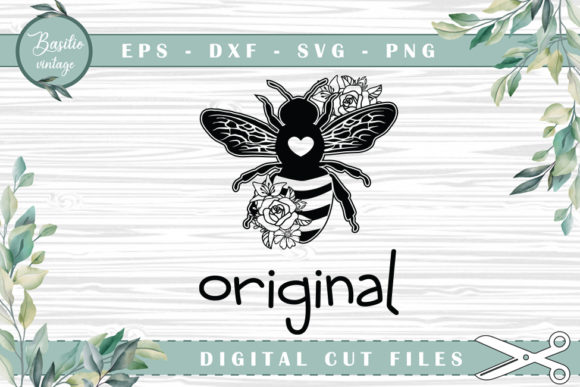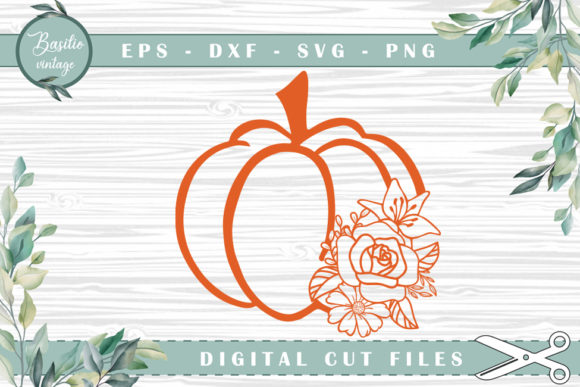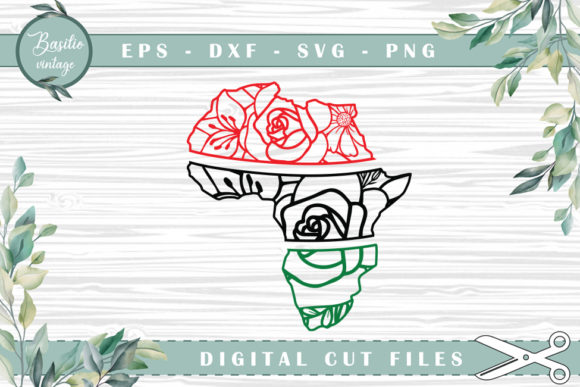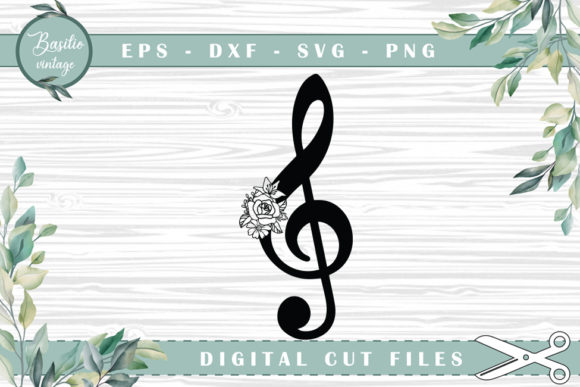
Evaluating Floral Frame Cutting Files for Digital Crafting
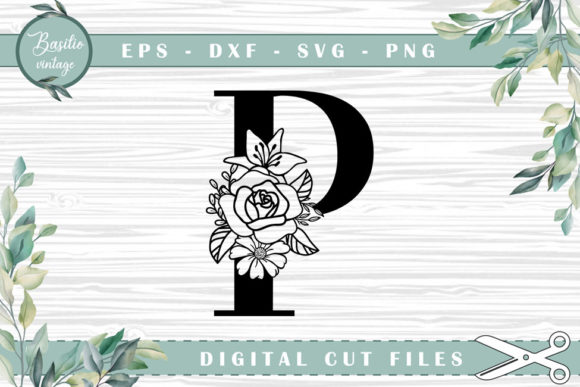
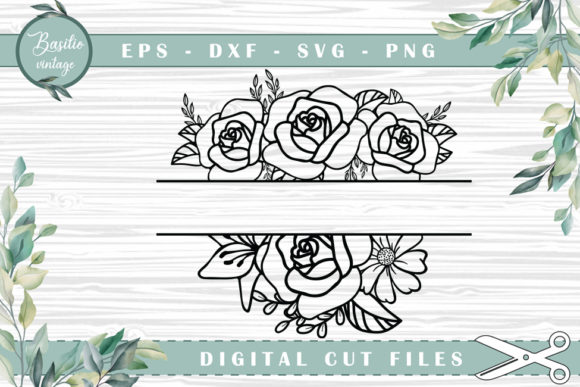
Floral frame cutting files represent a specific category of digital assets designed for precision crafting and fabrication. These digital illustrations serve as vector-based templates that guide cutting machines, embroidery digitizers, and design software in creating intricate botanical borders and decorative enclosures. For crafters, designers, and small business owners, understanding the technical specifications and practical applications of these files is essential before making a selection. The primary value proposition lies in the provision of editable formats, including SVG, PNG, DXF, and EPS, which allow for scalability without loss of resolution. However, successful implementation requires an objective assessment of file compatibility, intended use cases, and the limitations inherent in digital modification.
Technical Specifications and File Formats
When evaluating floral frame cutting files, the technical composition is the most critical factor determining utility. High-quality assets are typically delivered as compressed Winzip archives containing multiple format variations to ensure broad compatibility. Understanding the distinct purpose of each included file type helps users select the appropriate version for their specific hardware and software environment.
- SVG (Scalable Vector Graphics): This is the industry standard for cutting machines like Cricut Design Space and Silhouette Studio. SVG files utilize mathematical paths rather than pixels, allowing the design to be resized infinitely while maintaining crisp edges. This format preserves layer information, enabling users to separate colors or elements for multi-stage cutting or weeding.
- DXF (Drawing Exchange Format): Primarily used for older versions of Silhouette Studio (Basic Edition) and various laser cutting software. DXF is a universal CAD data file format that ensures geometry remains intact across different platforms, though it may sometimes lack color grouping found in SVGs.
- EPS (Encapsulated PostScript): Ideal for professional graphic design workflows using Adobe Illustrator or CorelDRAW. EPS files are preferred when the floral frame needs to be integrated into complex print layouts or significantly altered before being exported for cutting.
- PNG (Portable Network Graphics): Provided at 300 PPI (pixels per inch), this raster format serves as a high-resolution reference image or a printable element. While not a cut file itself, the 300 PPI specification ensures it is suitable for sublimation printing or heat transfer vinyl applications where pixel density matters.
All delivered files should be free of watermarks. It is important to note that preview images often contain watermarks to protect intellectual property, but the actual downloadable assets within the zip folder are clean. Users must unzip the archive after download to access the usable files; attempting to open individual formats directly from the compressed folder can lead to corruption or read errors.
Practical Applications and Use Cases
Floral frame cutting files are versatile tools, but their effectiveness depends heavily on the intended application. Evaluating whether a specific design aligns with your project goals requires matching the file’s complexity with the material and output method.
Vinyl Cutting and Apparel Decoration
One of the most common uses for these files is cutting adhesive vinyl or heat transfer vinyl (HTV) for clothing and glassware. Floral frames provide an elegant border for monograms, quotes, or logos. When selecting a file for vinyl, consider the intricacy of the design. Highly detailed floral frames with thin stems or tiny petals may be difficult to weed or may not adhere properly to fabric textures. Simpler, bolder vector lines generally yield better results on textiles, whereas intricate designs are better suited for smooth surfaces like glass panes, mirrors, or acrylic sheets.
Embroidery Conversion
Some users seek floral frame cutting files specifically to convert them into embroidery patterns. This is a viable workflow, but it introduces significant variables. Vector files (SVG/DXF) define lines and shapes, whereas embroidery machines require stitch data. Converting a cutting file to an embroidery format requires specialized digitizing software. Users should understand that a file optimized for a blade cutter is not automatically optimized for needle penetration. Stitch density, underlay, and pull compensation must be manually adjusted during conversion. There is no guarantee regarding the quality of the design once it has been converted from a cut file to an embroidery file, as the original asset was not created with stitch physics in mind.
Benefits and Tradeoffs of Digital Assets
Acquiring pre-made floral frame cutting files offers distinct advantages over drawing from scratch, yet there are tradeoffs that must be weighed objectively.
Efficiency and Consistency: The primary benefit is time savings. Creating a symmetrical, botanically accurate floral frame requires advanced illustration skills and significant hours. Pre-made files provide immediate access to professional-grade aesthetics. Furthermore, because these are vector-based, they offer consistency across different projects; a frame used on a wedding invitation can be perfectly matched to a cake topper or signage.
Customization Limitations: While files are labeled "editable," the extent of editability varies. Users can easily resize, rotate, and change colors. However, altering the fundamental structure of the floral arrangement—such as moving individual petals or changing the flower species—requires proficiency in vector editing software. Additionally, as noted in product specifications, there is no guarantee of design integrity after significant alteration. Stretching a frame disproportionately or converting it to incompatible formats can result in node displacement or jagged edges.
Software Dependency: Compatibility is not universal. While Cricut Design Space, Silhouette Studio, Sure Cuts A Lot, and CanvasWorkspaces are widely supported, proprietary or industrial cutting software may require specific import settings. Users must verify their software supports SVG or DXF imports before acquisition.
Decision-Making Insights: When to Choose vs. Alternatives
Determining whether floral frame cutting files are the right solution involves assessing skill level, equipment, and project scope.
Situations Where Floral Frame Cutting Files Are a Strong Fit
- Standardized Production: For crafters producing batches of similar items (e.g., bridal party gifts), these files ensure uniformity and reduce setup time.
- Intermediate Skill Levels: Users who can operate cutting software but lack advanced illustration skills benefit most from high-quality, 300 PPI ready-to-cut assets.
- Multi-Media Projects: When a project requires both cut elements and printed elements, receiving both vector and high-res raster formats in one package streamlines the workflow.
Situations Where Alternatives May Be Worth Considering
- Direct Embroidery Needs: If the sole intent is machine embroidery, purchasing pre-digitized embroidery files (PES, DST, JEF) is superior to buying cut files and attempting conversion. Pre-digitized files account for thread tension and fabric stability.
- Commercial Licensing Requirements: Many digital cutting files are licensed for personal use only. If the goal is mass production or selling finished goods, users must verify licensing terms or commission custom work to avoid infringement.
- Highly Specific Botanical Accuracy: Generic floral frames may not meet the needs of scientific illustration or region-specific botanical themes. In such cases, hiring a specialist illustrator or sourcing niche-specific vectors is more appropriate.
Managing Expectations and Best Practices
To maximize the value of floral frame cutting files, users should adopt best practices regarding file management and testing. Always maintain a backup of the original, unaltered master file. Perform test cuts on scrap material before committing to expensive substrates, especially when working with intricate floral details. Verify that the design fits within the physical cutting area of your machine mat; resizing a frame to fit a larger area may expose gaps in vector nodes that were invisible at smaller scales.
Ultimately, floral frame cutting files are powerful resources for digital fabrication when selected with clear intent. By understanding the technical distinctions between SVG, DXF, EPS, and PNG formats, and by realistically assessing the feasibility of cross-medium conversions like embroidery, users can make informed decisions that align with their creative and operational goals. The absence of watermarks and the inclusion of high-resolution assets facilitate professional results, provided the user respects the technical boundaries of the original design.