Elegant Floral Wedding Invitation Card: Designing with Purpose and Precision
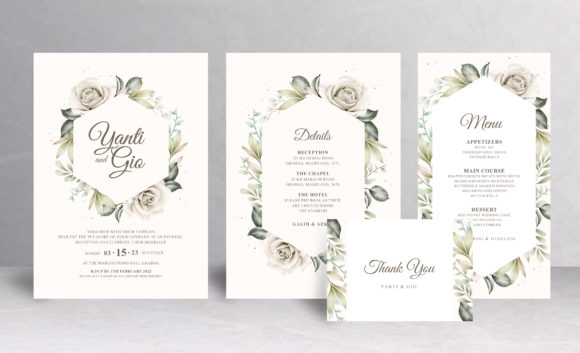
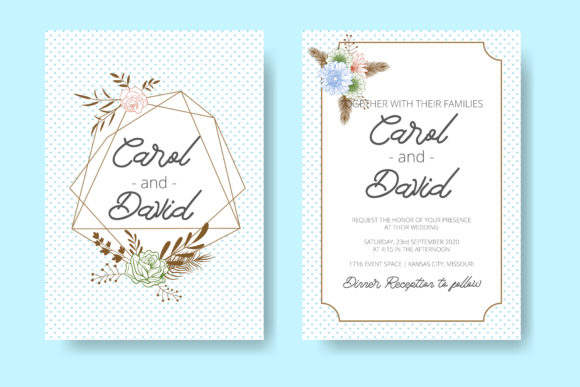
The first tangible touchpoint of any marriage celebration is often the invitation. It serves as more than a logistical document containing dates and venues; it acts as a visual prelude to the event’s atmosphere, setting expectations for formality, style, and emotion. Among the myriad design choices available to modern couples and designers, the elegant floral wedding invitation card remains a definitive standard. This enduring popularity is not merely a matter of tradition but a reflection of how botanical aesthetics have evolved to meet contemporary tastes. When paired with professional-grade resources like an elegant wedding card with beautiful floral and leaves template in EPS format, this classic motif transforms from a generic trope into a sophisticated, customizable foundation for high-end stationery.
For professionals in the creative industry, including freelance designers, print shop owners, and digital marketers, understanding the nuance of this specific design category is essential. The market has shifted away from stiff, Victorian-era reproductions toward organic, fluid compositions that balance negative space with intricate detail. This evolution mirrors broader lifestyle shifts where authenticity and natural beauty are prioritized over rigid formality. Consequently, the demand for scalable vector graphics that capture this delicate balance has surged, making EPS templates a critical asset in modern design workflows.
The Evolution of Botanical Aesthetics in Modern Stationery
Historically, floral motifs in wedding stationery were often dense, symmetrical, and heavily saturated. While these designs conveyed luxury, they sometimes lacked the airy, breathable quality that defines current elegance. Today’s interpretation of the elegant floral wedding invitation card emphasizes asymmetry, watercolor textures translated into vector paths, and a muted, earthy color palette. This shift aligns with the "slow wedding" movement and the broader cultural appreciation for sustainability and nature.
This aesthetic transition has practical implications for creators. Designers can no longer rely on clip-art-style flowers that look pasted onto a background. Instead, the integration of foliage and blooms must feel intentional and structural. An elegant wedding card with beautiful floral and leaves template - EPS Format facilitates this by providing layered, editable elements rather than flattened images. This allows the designer to adjust the curvature of a stem or the opacity of a petal to match the specific typography and layout needs of the client. The result is a bespoke appearance achieved through efficient, standardized tools.
Why Vector Formats Matter for Professional Output
In an era where invitations exist simultaneously as physical prints and digital assets, file versatility is non-negotiable. The specification of EPS (Encapsulated PostScript) format is significant for several technical and practical reasons. Unlike raster formats such as JPEG or PNG, which degrade when resized, EPS files are mathematically defined. This means an elegant floral wedding invitation card designed in EPS can be scaled from a small save-the-date magnet to a large-format welcome sign without losing a single pixel of clarity.
For business owners and freelancers, this scalability translates directly to workflow efficiency and cost savings. A single master template can serve multiple purposes across a wedding branding suite:
- Primary Invitations: Standard 5x7 sizing with full floral borders.
- RSVP Cards: Scaled-down corner accents derived from the main template.
- Digital Adaptations: High-resolution exports for email campaigns and social media teasers.
- Day-of Signage: Enlarged vectors for seating charts and menu boards.
Furthermore, EPS compatibility ensures seamless integration with industry-standard software like Adobe Illustrator, CorelDRAW, and Affinity Designer. This interoperability is crucial for agencies that collaborate across different platforms or outsource printing to vendors who require specific vector specifications for foil stamping and embossing.
Bridging Creative Vision with Technical Efficiency
There is a persistent misconception among some creatives that using templates diminishes artistic integrity. However, in the context of professional stationery design, an elegant wedding card with beautiful floral and leaves template - EPS Format functions less as a shortcut and more as a sophisticated starting point. It handles the complex rendering of botanical anatomy—veins, petal folds, stem tapering—which is time-consuming to draw from scratch. By leveraging these pre-drawn assets, designers can redirect their energy toward typographic pairing, color grading, and layout hierarchy.
This approach is particularly relevant for entrepreneurs and small business owners operating in the wedding niche. Margins in stationery can be thin, and turnaround times are often tight. Utilizing high-quality vector templates allows for rapid prototyping during client consultations. A designer can swap out color swatches or rearrange floral clusters in real-time, providing immediate visual feedback. This responsiveness enhances the client experience and reduces the revision cycles that often plague custom illustration projects.
Customization Strategies for Unique Results
To maintain the "elegant" descriptor and avoid a cookie-cutter look, professionals must apply thoughtful customization techniques to their base templates. The goal is to make the elegant floral wedding invitation card feel personal to the couple while retaining the polish of professional design. Consider the following practical approaches:
- Color Re-mapping: Move beyond default greens and pinks. Analyze the wedding venue’s interior design or the season’s fashion trends to select a unique palette. Deep terracottas, sage greens, and dusty blues currently resonate well with modern audiences.
- Typographic Contrast: Pair the organic softness of the floral EPS elements with structured serif fonts or minimalist sans-serifs. The tension between the wildness of the leaves and the precision of the type creates visual interest.
- Element Isolation: Do not feel compelled to use every layer in the template. Sometimes, removing 40% of the foliage creates a more refined, luxurious composition. Negative space is as important as the illustration itself.
- Texture Overlay: While the EPS provides clean lines, adding subtle paper grain or watercolor washes in post-production can soften the digital perfection, making the final print feel more tactile and artisanal.
Market Relevance and Consumer Expectations
Understanding why clients seek out this specific style helps professionals market their services more effectively. The preference for elegant floral wedding invitation cards is deeply tied to the psychology of celebration. In a post-pandemic landscape, gatherings are viewed with renewed significance. Natural elements symbolize growth, resilience, and organic connection—themes that resonate profoundly with couples today. The floral motif is no longer just decorative; it is symbolic.
Moreover, the rise of digital-first planning has changed how these invitations are consumed. Before a guest ever holds the physical card, they likely encountered a version of it on a wedding website or Instagram. This dual existence demands that the design be legible at thumbnail size while remaining exquisite at arm's length. The crisp edges and defined shapes inherent in EPS-based floral designs perform exceptionally well in digital environments, unlike softer raster paintings that can appear muddy on screens.
Practical Implications for Print Production
For those managing the production side of the business, the choice of an elegant floral wedding invitation card template influences material selection and finishing techniques. Vector-based florals are ideally suited for specialized printing methods that elevate the perceived value of the stationery.
Foil Stamping and Embossing: Because EPS files define precise paths, they can be easily converted to die-lines for hot foil or blind debossing. A metallic gold leaf outline against textured cotton paper creates a sensory experience that digital proofs cannot convey. This tactile dimension is a key selling point for premium stationery suites.
Letterpress Compatibility: Traditional letterpress requires distinct separation of colors and solid shapes. Well-constructed floral EPS templates are often designed with this limitation in mind, avoiding gradients that are difficult to reproduce in relief printing. Using a template optimized for this medium prevents costly prepress errors and ensures the final product matches the designer’s vision.
Sustainable Design and Future-Proofing Assets
Sustainability is increasingly influencing purchasing decisions in the wedding industry. Couples are seeking eco-friendly options, and designers must adapt. The efficiency of EPS templates supports sustainable practices by reducing waste in the design iteration process. Fewer drafts mean less energy consumption and fewer discarded proofs. Additionally, because vector art is resolution-independent, it eliminates the need to re-scan or redraw elements if a client decides to change print sizes late in the process, preventing material waste.
Looking forward, the relevance of the elegant floral wedding invitation card will likely persist, but the execution will continue to refine. We can anticipate greater integration with augmented reality (AR), where scanning a physical floral invitation triggers a digital animation. Having the source artwork in EPS format makes it significantly easier to animate individual petals or leaves for these interactive experiences compared to working with flat images. Professionals who master the manipulation of these vector assets now are positioning themselves at the intersection of timeless tradition and emerging technology.
Ultimately, the elegant floral wedding invitation card represents a convergence of art, commerce, and technology. Whether you are a freelancer building a portfolio, a print shop optimizing production, or a marketer analyzing trends, recognizing the value of high-quality EPS resources is key. It allows for the creation of work that honors the emotional weight of the occasion while meeting the rigorous demands of modern professional practice. By treating these templates as dynamic tools rather than static solutions, creators can deliver stationery that is both beautifully traditional and distinctly contemporary.