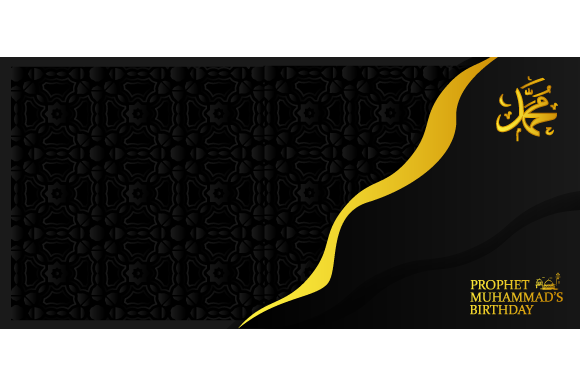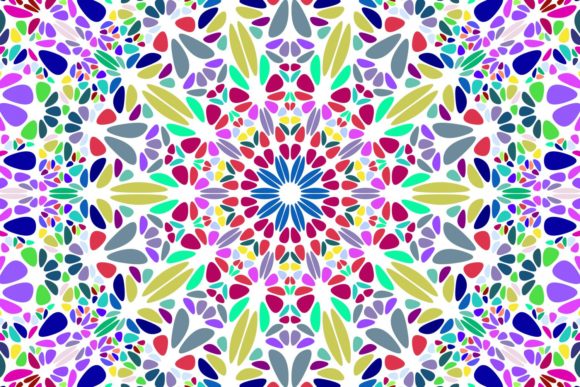
Mawlid with Floral Pattern Background: Evaluating Vector Designs for Ceremonial Use
Selecting the appropriate visual identity for Mawlid al-Nabi requires balancing religious reverence with aesthetic appeal. Among the various design categories available to event organizers and graphic designers, the Mawlid with floral pattern background has emerged as a distinct and versatile option. This specific design concept merges traditional Islamic geometric sensibilities with organic botanical motifs, creating a backdrop that is celebratory yet respectful. When sourcing these assets, understanding the technical and practical implications of receiving files in AI, EPS, JPG, and PNG formats is just as critical as evaluating the artistic style itself.
For professionals aged 20 to 50 tasked with organizing ceremonies or creating holiday collateral, the decision often lies between this floral-centric approach and other prevailing styles such as calligraphy-heavy compositions or architectural photography. The choice depends heavily on the intended application, the printing requirements, and the cultural context of the celebration. A vector-based floral background offers unique advantages in scalability and customization, but it also presents specific tradeoffs compared to raster alternatives or minimalist designs.
Defining the Floral Pattern Aesthetic in Religious Contexts
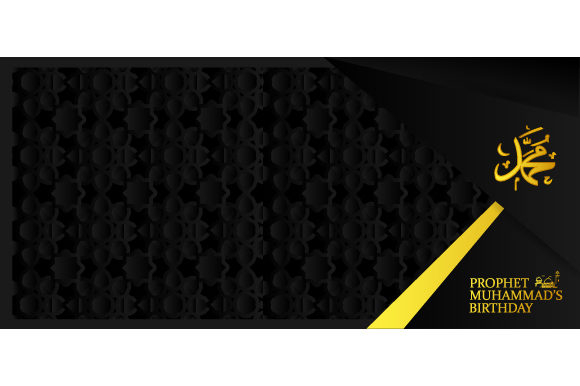
A Mawlid with floral pattern background is not merely a decorative overlay; it is a design category rooted in the historical intersection of nature and Islamic art. Unlike generic floral wallpapers, these patterns are typically structured around principles of symmetry, tessellation, and infinite repetition. This distinguishes them from Western floral designs, which often prioritize asymmetry and naturalistic chaos. In the context of Mawlid, the flowers serve as a metaphor for spiritual blooming and the beauty of creation, avoiding figurative representation while maintaining visual warmth.
The distinctiveness of this style lies in its ability to soften the formality of religious observance without diminishing its sanctity. While pure geometric arabesque can sometimes feel austere or overly academic, the addition of stylized florals introduces an element of hospitality and joy appropriate for a birthday celebration. This makes the floral pattern background particularly effective for community gatherings, family-oriented events, and educational materials where accessibility is as important as tradition.
Vector Versus Raster: Assessing File Format Utility
When acquiring a Mawlid with floral pattern background design concept vector, the inclusion of multiple file types dictates the asset's long-term value. Understanding when to utilize AI, EPS, JPG, or PNG files prevents workflow bottlenecks during production.
- AI (Adobe Illustrator): This is the master source file. It retains all editable paths, layers, and color profiles. For designers who need to alter the flower density, change the color palette to match specific venue lighting, or isolate individual elements for separate use, the AI file is non-negotiable. It represents maximum flexibility.
- EPS (Encapsulated PostScript): Serving as the universal vector standard, EPS ensures compatibility across different software platforms like CorelDRAW or Affinity Designer. If your print vendor uses a RIP system that does not support native AI files, EPS is the safest delivery format for large-scale banners and backdrops.
- PNG (Portable Network Graphics): Essential for digital applications, PNG provides lossless compression and transparency support. This format is ideal for overlaying the floral pattern onto colored websites, social media posts, or video thumbnails without the white background box associated with JPGs.
- JPG (Joint Photographic Experts Group): Best reserved for quick previews, low-resolution proofs, or internal presentations. Because JPG is a lossy raster format, it should never be used as the primary source for professional printing of intricate floral lines, as artifacts may appear upon close inspection.
Comparing Floral Patterns Against Alternative Design Styles
Evaluating whether a floral pattern is the correct choice requires comparison against other common Mawlid design archetypes. Each style serves a different communicative function and fits different environmental constraints.
Floral Patterns vs. Calligraphic Compositions
Calligraphy-focused designs center on sacred text, often rendering the name of the Prophet or specific prayers as the primary visual element. These are powerful for mosques and formal prayer halls where the focus is strictly devotional. However, calligraphy can be visually dense and may compete with additional text if you are designing an invitation or a program schedule. A Mawlid with floral pattern background acts as a supportive negative space, providing texture without competing for cognitive attention. If your design requires significant amounts of informational text, the floral background is generally superior to heavy calligraphy.
Floral Patterns vs. Architectural and Lantern Motifs
Designs featuring mosques, domes, minarets, or fanous (lanterns) are culturally evocative and immediately recognizable. They anchor the event in a specific physical or regional tradition. However, architectural imagery can sometimes date a design or inadvertently suggest a specific geographic culture (e.g., Ottoman vs. Moorish vs. Indo-Pakistani). Abstract floral patterns tend to be more culturally neutral and universally applicable across diverse Muslim communities. If you are organizing an interfaith event or a gathering for a multicultural congregation, the abstract floral approach minimizes the risk of cultural misalignment.
Floral Patterns vs. Minimalist Solid Colors
Minimalism offers a modern, clean aesthetic that reproduces cheaply and works well on screens. Yet, for a festive occasion like Mawlid, solid colors can sometimes feel too corporate or somber. The floral pattern bridges the gap between modern cleanliness and traditional festivity. It adds necessary visual complexity that signals "celebration" to the viewer, which flat color fields often fail to convey.
Strengths and Practical Applications
The primary strength of utilizing a vector-based floral background is scalability without degradation. Mawlid celebrations often require assets ranging from small greeting cards to massive stage backdrops. A raster image purchased at web resolution will pixelate when blown up for a 10-foot banner. A vector maintains crisp edges at any size, ensuring the intricate petal details remain sharp whether printed on a business card or a building wrap.
Furthermore, these designs offer exceptional adaptability for branding consistency. Event committees often struggle to unify disparate materials. By using the same floral vector asset, you can create a cohesive visual thread across invitations, signage, merchandise, and digital slides. The ability to recolor the vector allows for hierarchical coding; for example, using green and gold for the main ceremony, but shifting to blue and white for children’s activities or volunteer t-shirts, all while maintaining the same underlying pattern identity.
Tradeoffs and Limitations to Consider
Despite their versatility, floral pattern backgrounds are not universally optimal. One significant limitation is contrast management. Intricate floral vectors can become visually noisy if not properly managed. Placing body text directly over a dense floral pattern reduces readability significantly. Designers must employ masking techniques, gradient overlays, or solid text boxes to ensure legibility. This adds a layer of complexity to the design process that a simple solid-color background does not require.
Additionally, there is the consideration of file size and processing power. Complex vector floral patterns with thousands of anchor points can cause lag in design software and result in massive PDF exports. For users with older hardware or those working under tight deadlines, a simpler raster alternative might be more efficient. There is also the risk of stylistic mismatch; some highly ornate Victorian-style floral vectors may clash with the interior architecture of a modern mosque or community center. It is vital to preview the design in situ before committing to large-format production.
Decision Framework: When to Choose This Resource
Determining if a Mawlid with floral pattern background is the right investment involves assessing three key factors: medium, audience, and customization needs.
- Choose this option if: You require multi-format output (print and digital), need to customize colors to match existing branding, want a culturally inclusive aesthetic that avoids specific regional bias, or are designing materials that require extensive text overlay. The vector format future-proofs your purchase.
- Consider alternatives if: Your project is exclusively digital and low-resolution, you lack access to vector editing software and cannot hire a designer to modify files, or the event theme specifically demands photographic realism or strict calligraphic focus. In these cases, a high-quality PNG or a dedicated typography asset may offer better immediate utility.
Ultimately, the value of this design concept lies in its duality. It respects the solemnity of the occasion through structured, non-figurative art while embracing the joy of the holiday through organic forms. By securing the full suite of AI, EPS, JPG, and PNG files, organizers ensure they have the technical foundation to adapt this aesthetic across every touchpoint of the Mawlid celebration. Careful evaluation of your specific environmental and communicative needs will determine whether this versatile floral approach aligns with your vision or if another stylistic direction better serves your community.